
Collection: Saliva/Oral Fluid Drug Tests
Saliva drug tests (also known as oral fluid or mouth swab drug tests) provide a fast, reliable way to detect recent drug use. Unlike urine testing, saliva testing identifies the parent drug present in the oral cavity, making it ideal for detecting current impairment and recent drug consumption. This makes oral fluid drug testing one of the most effective methods for workplace safety programs, roadside-style screening, and random drug testing.
At Onsite Drug Testing, we supply Australian-designed saliva drug test kits incorporating the latest drugs in AS/NZS 4760:2019, the recognised standard for oral fluid drug testing in Australia. Our rapid saliva drug tests are easy to use, non-invasive, and deliver clear results in minutes without the need for toilet facilities or complex equipment.
Whether you are conducting workplace drug testing, safety compliance checks, or personal testing, our saliva drug test kits offer a convenient and accurate solution. Browse our range of 6-panel, 7-panel, and 8-panel saliva drug tests below to find the right kit for your requirements.

-
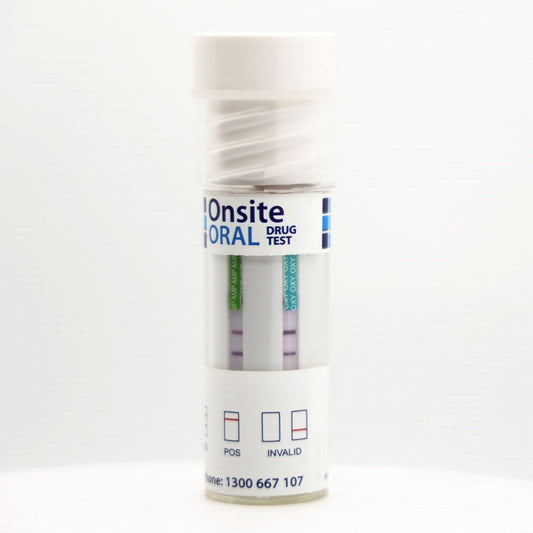
Onsite Oral 6 Advanced Saliva Drug Test (OD-081)
Regular price From $430.00 AUDRegular priceUnit price $14.82 each -
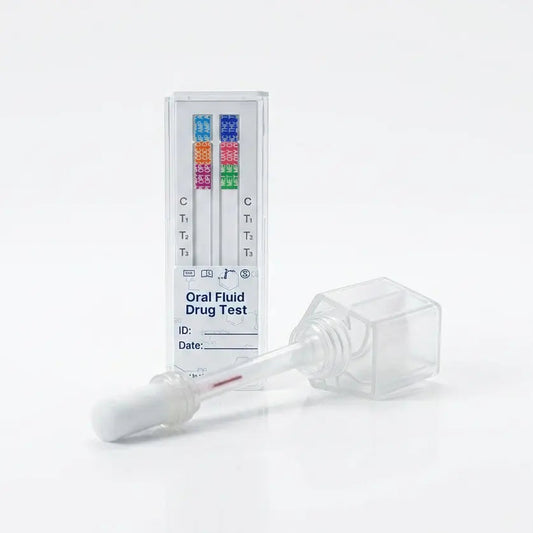
Onsite Saliva Check 6 Advanced Oral fluid Drug Test (OD-080)
Regular price From $430.00 AUDRegular priceUnit price $14.82 each -
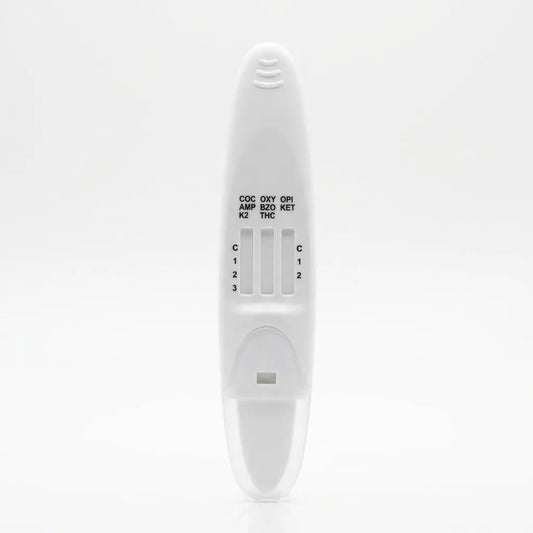
Onsite Saliva Swipe 6 Advanced Oral Fluid Drug Test (OD-084)
Regular price From $430.00 AUDRegular priceUnit price $14.82 each -
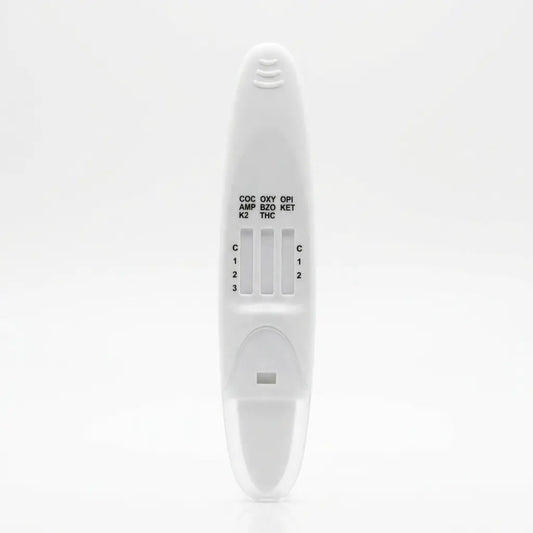
Onsite Saliva Swipe 8 Advanced Oral Fluid Drug Test (OD-200)
Regular price From $450.00 AUDRegular priceUnit price $15.58 each -
Onsite Saliva Swipe 8 Advanced + Alcohol Oral Fluid Drug Test (OD-201)
Regular price From $465.00 AUDRegular priceUnit price $15.96 each





Why choose saliva/oral fluid drug testing?
Understanding Saliva/Oral Fluid Drug tests
Multi-panel saliva drug tests can detect a range of substances, including:
- THC – Marijuana / Cannabis
- AMP – Amphetamines
- MET – Methamphetamine (Ice)
- COC – Cocaine
- OPI – Opiates (Heroin, Morphine, Codeine)
- BZO – Benzodiazepines
- OXY – Oxycodone
- KET - Ketamine
- K2 - Synthetic marijuana
- MDMA – Ecstasy
- MTD – Methadone
Different test panels may detect different drug combinations depending on the test kit. At Onsite Diagnostics we can custom manufacture a test to suit your exact requirements.
Saliva drug tests are highly accurate when used correctly. Most modern oral fluid drug tests use immunoassay technology designed to detect specific drugs at defined cut-off levels. These tests are widely used in workplace drug testing programs and roadside drug testing due to their reliability and ability to detect recent drug use.
If a screening test returns a non-negative result, it is typically sent to a certified laboratory for confirmatory testing using more advanced analytical methods such as LC/MS.
Saliva drug tests are designed to detect recent drug use, typically within the past 24 to 48 hours depending on the substance.
Typical detection windows include:
- Cannabis (THC): up to 24 hours
- Amphetamines / Methamphetamines: 24–48 hours
- Cocaine: 24–48 hours
- Opiates: 24–48 hours
Detection times can vary based on the amount of drug used, frequency of use, metabolism, and individual health factors.
Yes. Saliva drug testing is widely used in Australian workplaces as part of drug and alcohol management programs. Many industries including mining, construction, transport, manufacturing, and logistics use oral fluid drug testing to improve workplace safety.
Saliva tests are particularly useful because they detect recent drug use that may indicate current impairment, making them ideal for safety-sensitive environments.
A saliva drug test is simple and quick to perform.
The basic process includes:
- A saliva collection swab is placed inside the mouth.
- The swab absorbs saliva from the gums and tongue.
- The swab is inserted into the test device.
- The test reacts with the oral fluid sample and produces a result.
Results are typically available within 5–10 minutes, making saliva drug testing ideal for on-site screening.
Saliva drug tests are more difficult to tamper with compared with some other testing methods because the sample collection is usually directly observed.
Since the sample is collected from the mouth in front of the tester, it significantly reduces the possibility of:
- Sample substitution
- Adulteration
- Dilution
This makes saliva testing a reliable option for workplace drug testing programs.
The main difference between saliva and urine drug tests is the detection window and what they measure.
Saliva Drug Testing
- Detects recent drug use
- Shorter detection window
- Identifies the parent drug
- Often used for roadside and workplace impairment testing
Urine Drug Testing
- Detects drug metabolites after the body processes drugs
- Longer detection window
- Common in rehabilitation and laboratory testing programs
Both testing methods are widely used depending on the goals of the testing program.
Many professional saliva drug tests used in workplaces follow Australian Standard AS/NZS4760:2019, which outlines procedures and requirements for oral fluid drug testing.
Using compliant drug testing devices helps ensure reliable screening results and supports workplace safety programs.
Most saliva drug tests provide results within 5 to 10 minutes after the sample has been collected. Rapid results allow organisations to perform on-site drug screening without sending samples to a laboratory, unless confirmatory testing is required.
Saliva drug tests are used by a wide range of organisations and individuals, including:
- Workplace safety programs
- Mining and construction companies
- Transport and logistics businesses
- Rehabilitation and treatment services
- Government agencies
- Personal or at-home testing
Their ease of use and ability to detect recent drug use make them one of the most practical on-site drug testing methods available.